A Guide to Group Adventures in the Squamish Valley
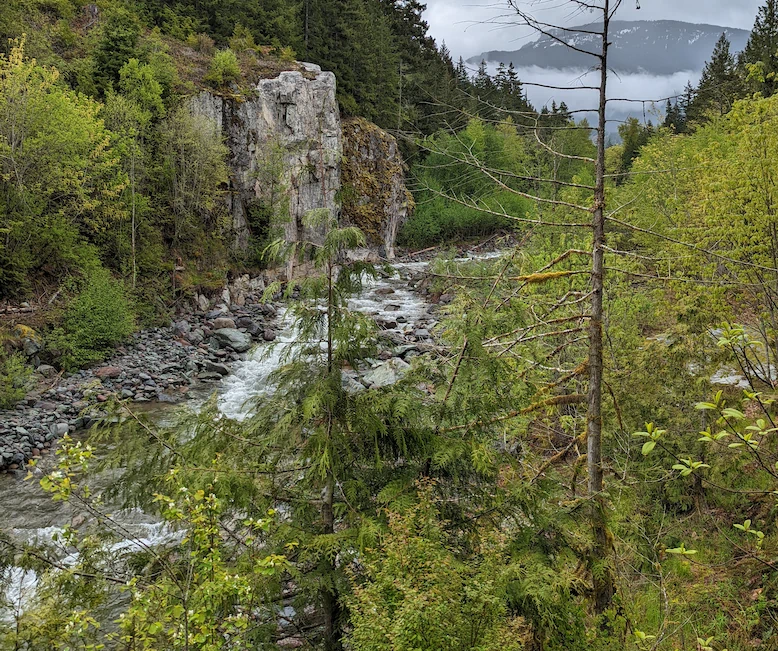
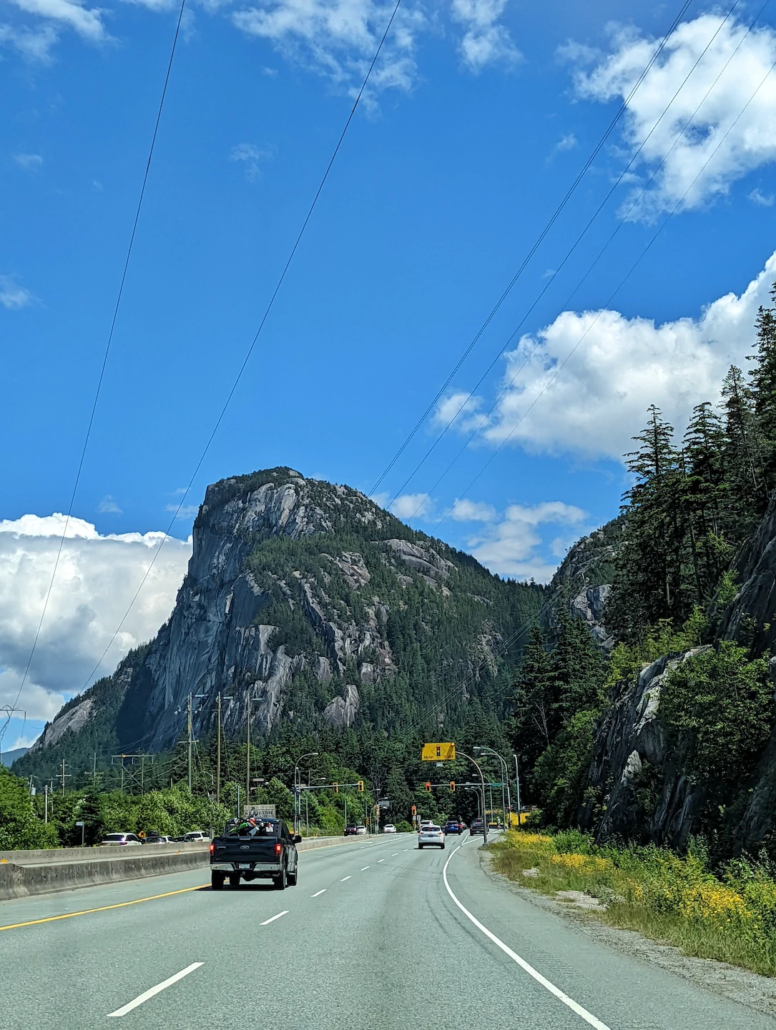
Squamish has long shed its reputation as a mere fuel stop on the way to Whistler. The district now commands attention as a primary destination, particularly for groups seeking high-output recreation in the Sea to Sky corridor. The Squamish Valley is defined by a rare concentration of world-class terrain, where the silt-laden currents of the Elaho River eventually give way to the towering granite monolith of the Stawamus Chief. These landscapes are inherently social, designed for shared experiences that often require significant collective coordination. Yet, for many visiting parties, the complexity of transporting specialized equipment and navigating trailhead logistics can quickly become the primary focus, detracting from the environment itself.
Planning a cohesive group excursion requires an appreciation for the valley’s distinct seasonal shifts. The requirements for a high-water spring rafting trip bear little resemblance to those of a winter eagle-watching expedition, and each phase of the year dictates a unique set of gear and a specific approach to local transit.
Whitewater and Waterways
As snowmelt accelerates in late spring, the valley’s river systems become the focal point.
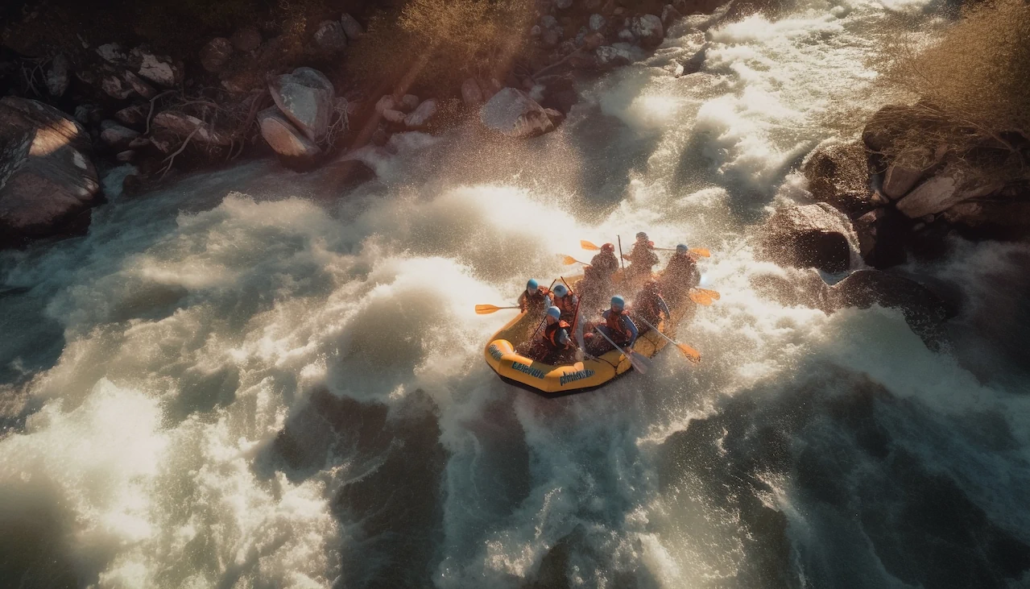
The Squamish and Elaho river systems offer some of British Columbia’s most reliable whitewater, with a season that typically peaks between May and August as the Coast Mountains shed their winter snowpack. For groups, the choice of river determines the level of technical engagement.
The Elaho-Squamish run is the regional benchmark for Class III-IV whitewater. This 20-kilometer stretch flows through remote old-growth forests and offers sustained rapids like “Devil’s Elbow” and “Steamroller.” Because the put-in point for the Elaho is deep within the Squamish Valley on unpaved Forest Service Roads (FSRs), reaching the river requires high-clearance vehicles and precise timing to coordinate with rafting outfitters.
For groups seeking a more observational pace, the Cheakamus River provides Class II rapids through the Paradise Valley. Turquoise glacial water and views of Mount Garibaldi characterize this corridor. It is a shorter commitment—usually three hours on the water—making it a viable anchor for a multi-activity day trip.
Trail Networks and Vertical Terrain
Squamish is synonymous with rock and dirt. The extensive trail network here caters to mountain bikers, hikers, and climbers. For mountain biking, the Diamond Head and Alice Lake zones offer renowned trails such as “Half Nelson” and “Wonderland,” attracting riders worldwide. These trails are well-maintained but busy. Coordinating a group ride often involves shuttling bikes to trailheads where parking is increasingly restricted to manage the volume of visitors.
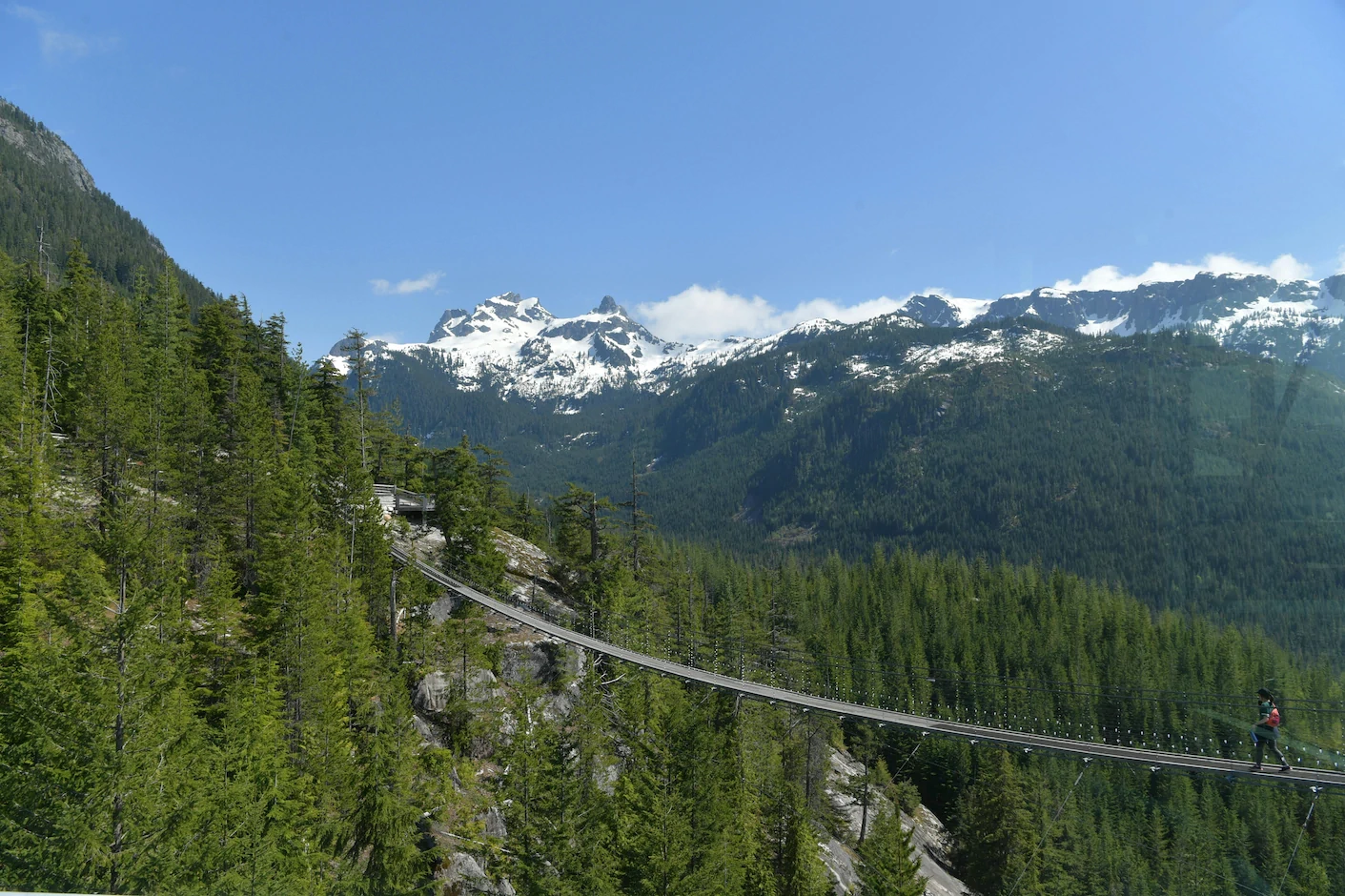
Hikers gravitating toward the Stawamus Chief face similar constraints. The three peaks offer varying levels of difficulty, but the trailhead lot fills by early morning on weekends. The Sea to Sky Gondola provides an alternative for groups, lifting visitors 885 meters above the sound to access alpine walking loops, the Sky Pilot Suspension Bridge, and backcountry routes like Al’s Habrich Ridge. This infrastructure allows groups of mixed abilities to reach high-alpine environments that would otherwise require hours of strenuous hiking.
Mountain Biking: The High-Flow Highlands
Squamish is often cited as the mountain biking capital of the world, a reputation built largely on the decomposed granite and loam of the Garibaldi Highlands. This trail network, particularly the Diamond Head zone, is a masterclass in trail architecture. Routes like Half Nelson have become global benchmarks for “flow”—a style of riding where perfectly bermed corners and rhythmic rollers allow riders to maintain momentum with minimal pedaling. It is an accessible thrill that serves as the centerpiece for many group outings, offering a high-speed descent that feels more like a roller coaster than a traditional forest trail.
For visiting groups, the Highlands offer a social riding environment that is rarely found in more rugged backcountry zones. The network is designed with clear arterial climb trails, such as Legacy, that allow parties to ascend at a conversational pace before splitting off into their preferred descent route. The complexity here is not the ride itself, but the sheer popularity of the trailhead. The Garibaldi Park Road parking area is frequently over-capacity. For a group arriving in separate vehicles, the morning often begins with the stress of coordinating meeting points in a crowded, high-traffic corridor. Consolidating the group into a single arrival ensures the day starts on the dirt, rather than circling for a spot.
The Winter Migration
While summer in Squamish is defined by kinetic energy, the winter months shift toward a more observational pace centered on the Squamish River’s gravel bars. Between November and January, the region hosts one of the largest concentrations of wintering bald eagles in North America. This isn’t merely a local phenomenon; it is a critical biological event driven by the terminal run of chum and coho salmon.
For groups, the focal point is the Eagle Run dike in Brackendale. This elevated riverside path provides a clear line of sight across the water to the islands where the birds congregate to feed and conserve energy. Unlike the vertical grind of summer hiking, this is a low-impact, high-reward activity that accommodates large parties of varying mobility.
Timing and Logistics for Groups
To capture the peak of the migration, mid-December is the historical sweet spot. The eagles are most active in the early morning hours, often perched in the bare cottonwoods as they wait for the fog to lift from the river. By midday, they typically drop to the gravel bars.
Groups should plan for a stationary experience; the damp cold of the Squamish Valley in December is biting, and the “Eagle Watch” interpretive displays offer essential context on why this specific microclimate remains ice-free when other northern rivers freeze. Because the dike is located in a residential area with extremely limited parking for oversized vehicles or multiple cars, coordinating a single drop-off point is a prerequisite for a smooth outing.
Beyond the Dike: Winter’s Vertical Reach
The winter season isn’t exclusively sedentary. The Sea to Sky Gondola remains a primary hub for groups, functioning as a bridge to the sub-alpine when the valley floor is shrouded in rain.
Snowshoeing and Winter Walking: The “Spirit Trail” and “Panorama Trail” are maintained for winter use, offering a controlled environment for groups to experience the snowpack without the technical risks of the backcountry.
The Après Culture: Winter tourism in Squamish has fostered a sophisticated craft beverage scene. The Northyards and downtown districts house several breweries and cideries, such as Backcountry Brewing or A-Frame, which have become the de facto “base camps” for groups returning from the cold.
Solving the Transport Equation
The primary friction point for any Squamish excursion is the “convoy problem.” Trying to keep three or four private vehicles together on the Sea to Sky Highway, securing multiple parking spots at crowded trailheads, and coordinating meet-up times can fragment the group experience. Trailhead parking in Squamish is finite and heavily patrolled, and finding space for several cars at the Adventure Centre or the Chief is rarely guaranteed.
This logistical gap is where specialized transport services become a practical necessity rather than a luxury. Operators like Vancouver Outdoor Adventures have stepped in to bridge the disconnect between the city and the trailhead. Using Mercedes Sprinter vans designed for groups, we offer a unified travel solution that eliminates the need for carpooling spreadsheets.
The service model is built around flexibility. A group can be collected from a single location in Vancouver, transported with all gear directly to the activity site, and returned after the day concludes. It allows the social aspect of the trip to begin the moment the door closes, rather than waiting until arrival. For custom itineraries that might combine a morning hike with an afternoon brewery visit in downtown Squamish, having a dedicated driver removes the liability and logistical strain of moving a dozen people between venues.
Organizers planning their next valley descent can view our transportation packages and request custom routing. Streamlining the journey ensures the focus remains on the granite and the river, not the parking lot.
Squamish Group Getaways That Work in Any Season
Squamish and the Squamish Valley reward groups who want a real outdoor basecamp in British Columbia, with rafting and paddling on coastal rivers, iconic hikes like the Stawamus Chief, world-class climbing and mountain biking, plus winter snowshoe routes and wildlife viewing when the peaks turn white. The Sea-to-Sky corridor keeps logistics simple so that a weekend itinerary can blend high-output adventure with culture, breweries, and easy viewpoints without overplanning. For group travel organizers searching “things to do in Squamish” or “Squamish Valley outdoor activities,” the clearest takeaway is range. This destination supports a range of fitness levels, interests, and seasons while still delivering classic Sea-to-Sky scenery that makes the trip feel bigger than the drive.