FIFA World Cup 2026 Vancouver: Fan Culture, Neighbourhoods, and What to Do Between Matches
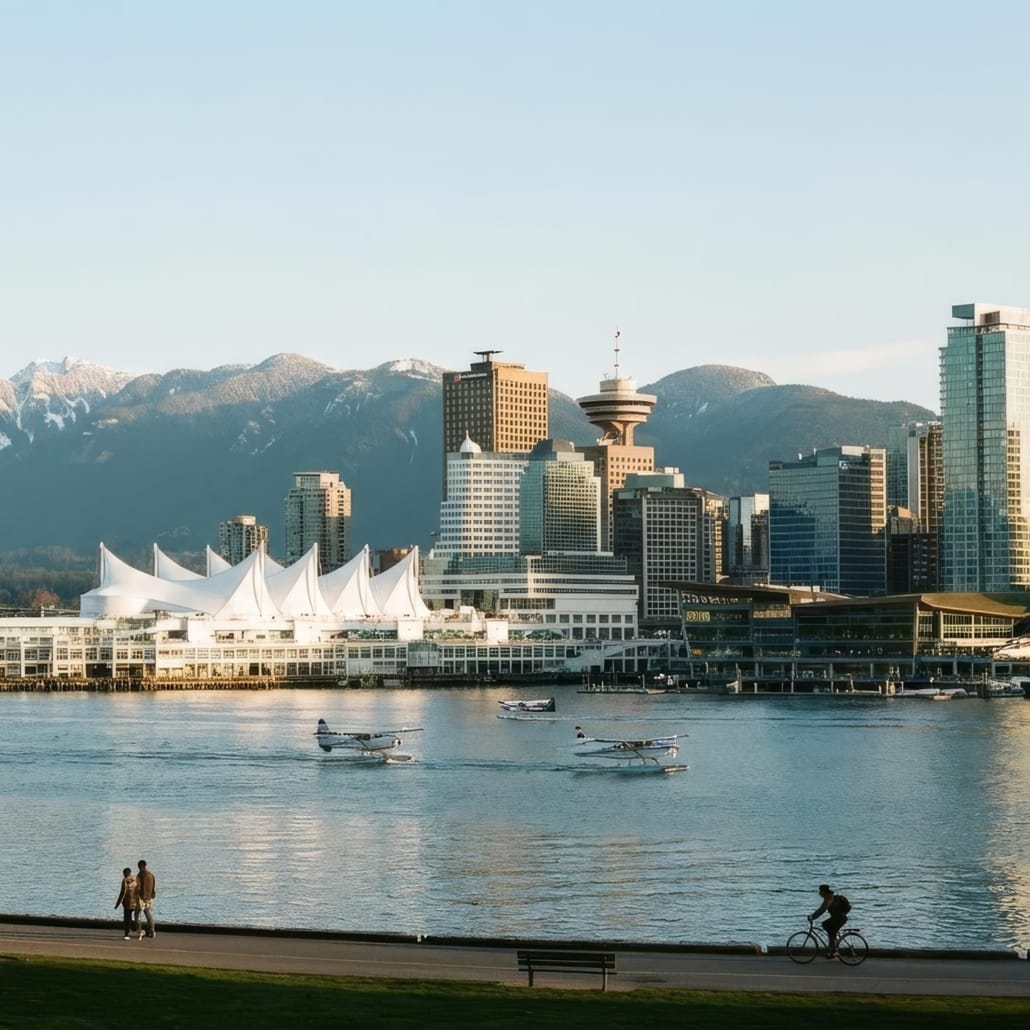
BC Place Stadium in downtown Vancouver will host seven matches during the 2026 FIFA World Cup. As one of 16 host cities, Vancouver is preparing to welcome an estimated 350,000 visitors from around the globe. City organizers are working to ensure everyone experiences the very best of Vancouver and British Columbia during the tournament. Against the backdrop of the city’s mountain peaks and oceanfront skyline, the summer of 2026 is poised to become a West Coast celebration of sport and culture.
A Global Spectacle on the Pacific Coast
Vancouver’s selection as a host city places it on football’s biggest stage. The city will stage seven FIFA World Cup matches at BC Place, including group games and two knockout rounds. Teams from five continents are set to play in Vancouver – from Belgium to New Zealand – and fans will even see Canada’s own national team compete on home soil. For Vancouver, the appeal is not just the matches themselves, but the mix of locals and traveling supporters that changes the city’s texture for a few weeks. The tournament’s scale is unprecedented: with 48 teams across North America, it will be the largest World Cup in history, uniting millions of followers of the game.
City officials and community leaders see the World Cup as more than just a sporting event – it’s a chance to showcase Vancouver’s culture and hospitality on an international stage. “Momentum is building. Vancouver is coming together with partners across the city, province, and country to welcome the world in 2026,” Mayor Ken Sim noted, calling the World Cup “an incredible opportunity to celebrate our communities, share our culture, and highlight the incredible experiences that make Vancouver unique”. In that spirit, preparations have been extensive, from infrastructure upgrades to public art installations, all aimed at delivering an unforgettable tournament that the city hopes will leave a positive legacy long after the final whistle.
Celebrations, Festivals, and Fan Experiences
Beyond the 90 minutes of each match, Vancouver is gearing up to create a citywide festival. A major highlight will be the official FIFA Fan Festival™ at Hastings Park, on the Pacific National Exhibition grounds in East Vancouver. The PNE’s open-air amphitheatre is being transformed into a world-class venue to host thousands of fans daily during the tournament. There, supporters without game tickets can still gather to watch live match broadcasts on giant outdoor screens, revel in concerts and DJs, and sample local and international cuisine from dozens of vendors. The fan festival will feature interactive zones, family-friendly activities, and cultural performances, turning the World Cup into a citywide celebration beyond the stadium walls. This investment in fan entertainment is part of a broader effort to showcase Vancouver’s cultural vibrancy to visitors.
The city itself will be dressed for the occasion. Streets, bridges, transit stations, and public plazas will be decked out in the tournament’s colours and signage, creating an immersive World Cup ambiance wherever fans go. Vancouver’s host committee is rolling out an official “city dressing” program that will bring the vibrant tournament look to everyday locations – from banners on lamp posts to murals on building facades. Even SkyTrain stations and pedestrian routes are part of the plan. Organizers describe how the “Last Mile” of a fan’s journey – the walk from the nearest transit stop to BC Place – is being designed as an experience in its own right. On match days, the route from the Main Street–Science World SkyTrain station along False Creek will come alive with live entertainment, fan zones, and waterfront views, offering a lively pre-game promenade to build excitement as ticket holders approach the stadium. In short, Vancouver is turning the entire city into a canvas for World Cup festivities, ensuring that the energy and camaraderie of the event permeate far beyond the stadium gates.
Local communities are also embracing the World Cup spirit. In neighbourhoods across Vancouver – from downtown’s Granville Street to the ethnic enclaves of Commercial Drive and Richmond – pubs, restaurants, and public spaces are planning viewing parties and cultural events for the influx of fans. The city’s diverse population, which includes large communities with roots in Europe, Asia, and Latin America, means almost every World Cup team has a pocket of passionate supporters here. Visitors may find Italian cafes, Korean barbecue joints, or Brazilian restaurants erupting in cheers as residents rally behind their ancestral teams. This multicultural enthusiasm promises an inclusive, citywide carnival where “everyone is invited to the party,” reflecting Vancouver’s identity as a welcoming, cosmopolitan host. As the host committee lead, Jessie Adcock put it, delivering the event “takes a collective effort,” and Vancouver’s residents are eager to play their part in greeting the world.
What to Do in Vancouver Between World Cup Matches
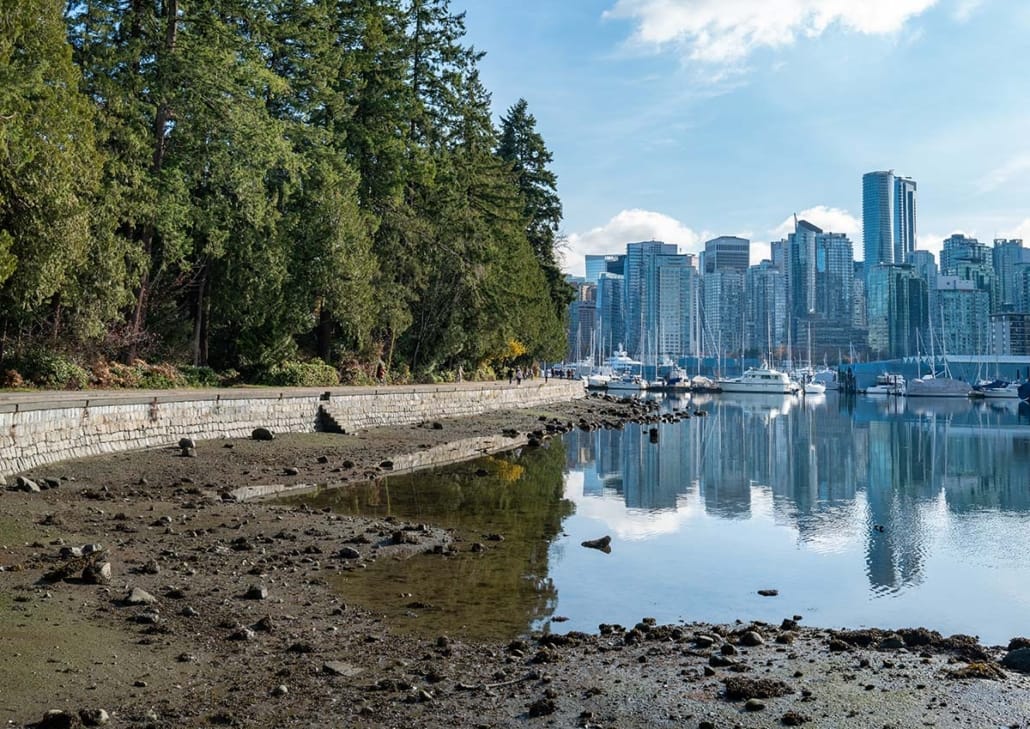
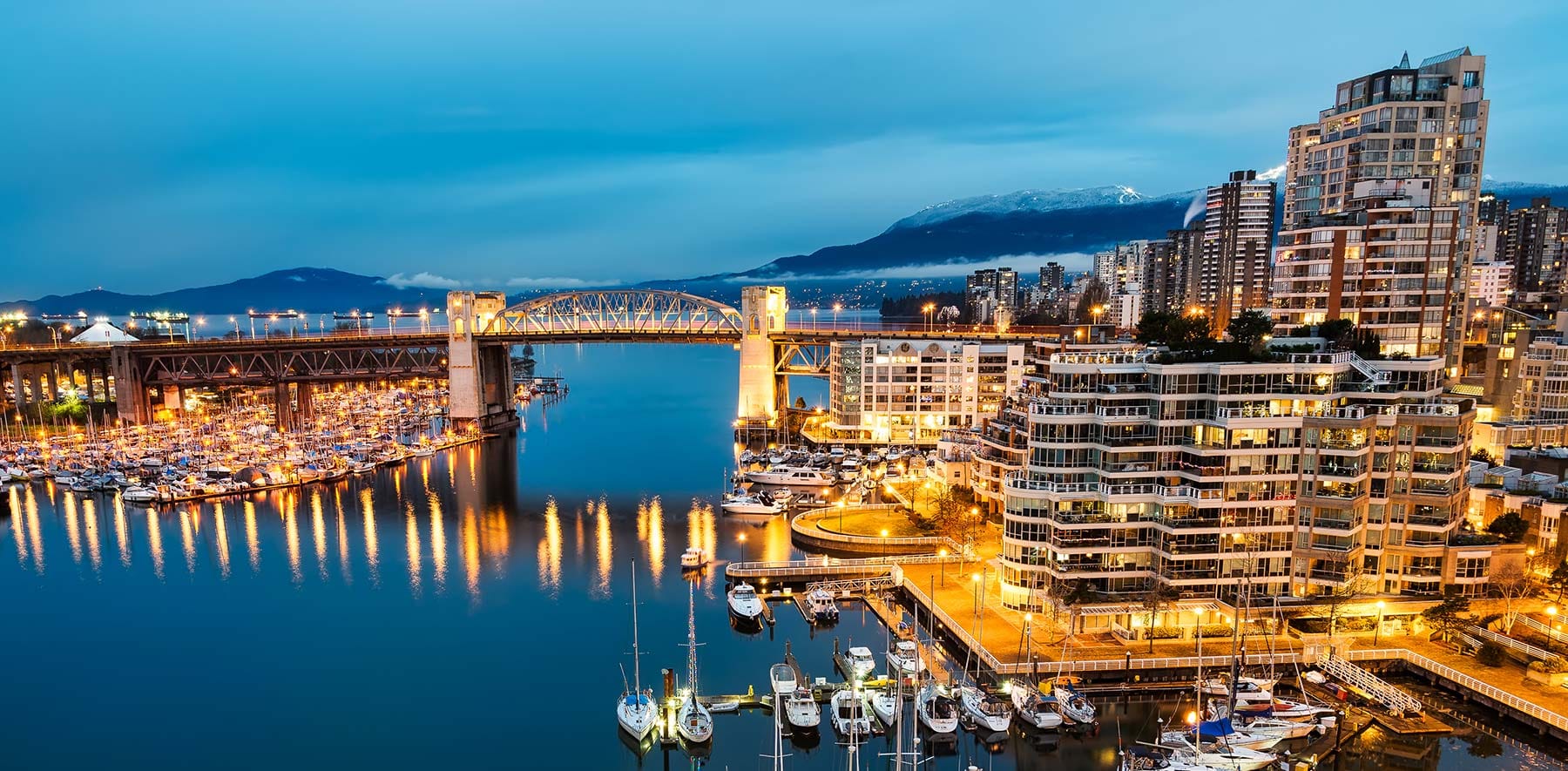
Vancouver’s mix of urban skyline and natural beauty offers an inviting backdrop for World Cup visitors beyond the matches. Between games, travelers will have the chance to explore the city’s world-renowned attractions and surrounding wilderness. For instance, fans can spend a morning strolling or cycling the seawall in Stanley Park, a 400-hectare urban rainforest encircled by the Pacific, and take in panoramic views of the harbor and mountains. Afternoons might be filled with browsing the artisan markets and food stalls of Granville Island, tasting craft beer and local seafood while enjoying live street music. Vancouver’s unique geography means one can hop from downtown shopping districts to a beach or a hiking trail all in the same day – the city’s blend of urban and outdoor experiences is a tourism draw in its own right.
Provincial and local tourism agencies are actively encouraging World Cup visitors to venture beyond the stadiums and typical tourist sites. In fact, Destination BC has launched a “Beautiful Seats” campaign showcasing some of British Columbia’s most scenic places, explicitly inviting fans to explore the province before or after match days. The idea is to turn a World Cup trip into a broader Canadian adventure: imagine watching a game one day and, the next, sitting by a turquoise alpine lake or touring a vineyard in the Okanagan Valley. To facilitate this, new travel packages and itineraries have been developed for World Cup tourists. These multi-day packages include guided excursions to BC’s coastal and mountain destinations – offering coastal adventures and alpine getaways that coincide with the match schedule. International fans could, for example, join a group trip to the Rocky Mountains or Vancouver Island, or take the scenic Sea-to-Sky Highway up to Whistler for a taste of Canada’s famous mountain resorts. Tourism boards have partnered with local tour operators to make such add-on trips easy to book, so visitors can seamlessly experience British Columbia’s natural beauty alongside the football festivities.
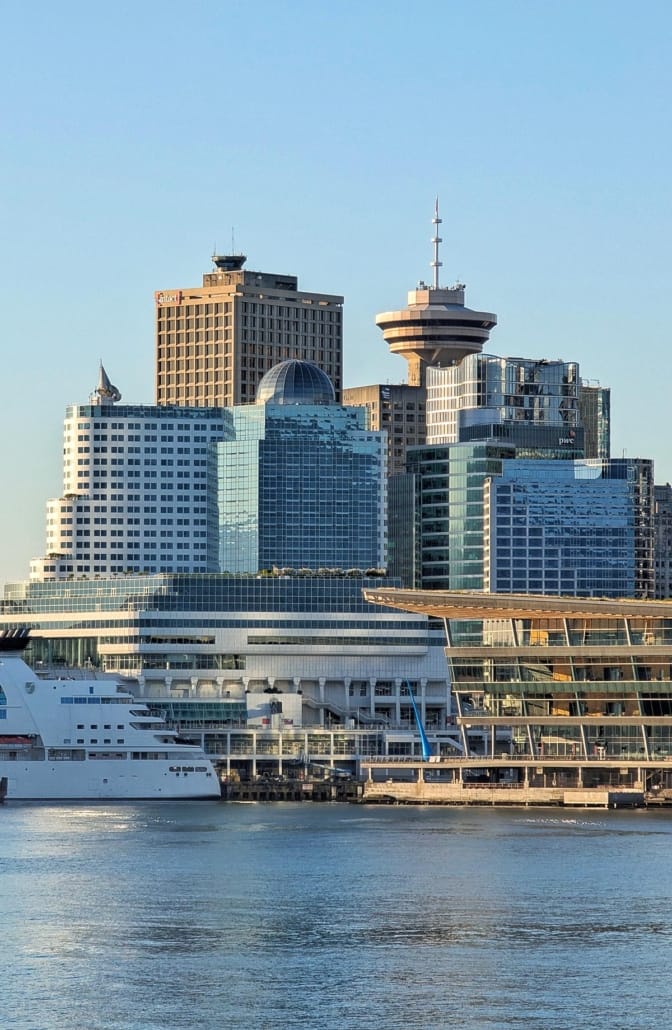
Even within the city, there’s no shortage of activities when games aren’t on. Vancouver’s museums and galleries – such as the Museum of Anthropology and the Vancouver Art Gallery – offer insight into local art, history, and Indigenous cultures. Food lovers will find a rich culinary scene, from food truck markets to high-end Pacific Northwest cuisine, reflecting the city’s multicultural makeup. And for those who crave adventure, there are options like seaplane sightseeing flights over downtown and coastal islands, or harbor ferry cruises that provide a unique perspective on the skyline. In short, Vancouver is positioning itself as much more than just a match venue – it’s a gateway to a larger travel experience. By the time the tournament kicks off, visitors will have a wealth of cultural and outdoor activities at their fingertips, ensuring that their trip is memorable beyond the 90 minutes on the pitch.
World Cup Transportation in Vancouver
The matches matter, of course, but so does the time between them. A late morning on the seawall in Stanley Park. A long lunch at Granville Island. An evening that starts at a fan zone and ends on a patio somewhere downtown, where you can hear more than one language at the next table. Vancouver’s appeal has always been the closeness of it all: water, forest, mountains, dense city streets, and then quiet residential corners a few blocks away. During the tournament, that compact geography becomes part of the experience.
The city and region are preparing for a surge that will test every familiar system. Transit will be the backbone on match days, and the walk to BC Place will be treated as its own event, with crowd guidance designed to keep the flow moving and keep the mood up. That planning matters because Vancouver’s downtown is not built for stadium traffic by car. It is built for people. For visitors staying near the core, that will be a benefit. For everyone else, the question becomes less about where to go and more about how to move as a group without turning the trip into a sequence of logistics problems.
And that is where the World Cup changes the transportation conversation.
In a typical summer weekend, visitors can improvise. A couple can grab a rideshare. A family can split into two taxis. A small group can take transit and meet at the gate. During a World Cup match window, those workarounds get less reliable. Demand spikes at the same moments for everyone. Pricing becomes unpredictable. Vehicles get scarce. Groups fragment, and the day starts to feel scheduled by constraints rather than curiosity.
One of the quiet trends that grows around major events is the return of the small private shuttle. Not the large coach that announces itself as a tour bus, but the practical middle ground for groups that want to stay together, keep time, and still see the city properly. In Vancouver, that often means a Sprinter class van, the size that fits into hotel loading zones, handles luggage, and can move through the city without needing the choreography that a larger bus requires.
For visitors arriving with friends, family, or colleagues, this format becomes the difference between a day that feels open and one that feels chopped into coordination tasks. A group can start with a morning stop on the North Shore, spend the afternoon downtown, then head to the match with everyone arriving together. The same logic applies to the days between games, when fans want to go beyond Vancouver’s core without the stress of renting multiple vehicles or risking timing.
There is also a tourism angle that gets overlooked in the stadium conversation. Vancouver’s World Cup is not only about the city proper. Many visitors will build a wider map. Whistler and the Sea to Sky corridor remain the default day trip for anyone who wants a mountain backdrop within reach. For others, it will be an early ferry to Victoria, or a simpler loop that prioritizes viewpoints, food, and a sense of place over distance. Those itineraries are not difficult to imagine. The challenge is matching them to a schedule that has fixed points, kickoff times, ticket entry windows, and the usual unpredictability of a city operating at peak demand.
That is why, in the last third of the day, transportation stops being background and starts shaping the experience. When everyone is headed to the same places at the exact times, the ability to set a pickup, keep a group intact, and avoid a late scramble becomes part of how visitors remember the trip.
Some local operators are already positioning for that reality. Vancouver Outdoor Adventures, known for its off-road rentals, will also be running private group transportation in a 10-passenger Mercedes Sprinter during the tournament period, and early booking is recommended for match days and for tight between-match itineraries.
The format suits the moment. Transfers to and from BC Place, the airport, and the cruise terminal, timed around match days, and custom routes that keep the day coherent. A morning in the city, an afternoon out toward the North Shore or along the Sea to Sky, then back downtown for the match without splitting into separate vehicles. It is not a replacement for transit, which will remain the backbone for many visitors, but it is a helpful option for groups trying to move with a plan, especially when time is short and the stakes are high.
Vancouver has the ingredients for a tournament that feels bigger than sport. The city is walkable, visually striking, and built around scenery that needs no introduction. In 2026, the World Cup will supply the tempo. What visitors take home will depend on how well they experience the hours between kickoff and the rest of the city that sits just outside the stadium lights.
Embracing a Once-in-a-Generation Moment
As the countdown continues, excitement in Vancouver is palpable. The city is keenly aware that hosting part of the World Cup is a once-in-a-generation opportunity, and it is striving to rise to the occasion on all fronts. From the jubilant streets painted in tournament colors to the seamless coordination of transit and hospitality, every detail is being considered to make visitors feel welcome. Vancouver’s leaders frequently say they want the World Cup to deliver benefits that linger “long after the final whistle” – not just in economic terms, but also in memories and connections. The hope is that football fans departing in July 2026 will carry home stories of more than just the matches; they will remember the sunset over English Bay after an evening at the Fan Fest, the thrill of a suspension bridge in a coastal rainforest, the warm camaraderie in a local pub during a penalty shootout, and the genuine welcome they felt from people in this city.
In the end, Vancouver’s approach to the World Cup is blending sport with culture, logistics with hospitality. It’s a test of the city’s infrastructure and a showcase for its beauty and diversity. If all goes to plan, the FIFA World Cup 2026 will not only add a chapter to soccer history but also shine a spotlight on Vancouver as a destination where global connections and local pride come together. With the eyes of the world turning to this corner of the Pacific Northwest, Vancouver is ready – game on.